Meet the people behind the craft

Learn from instructors who live and breathe textile photography.

From museum documentation to fabric campaigns, our educators bring real assignments into the studio. Why does that matter? Because you'll practise the same decisions professionals make when the brief is tight and the texture has to sing.

Small groups

Maximum 8 students. More feedback, less waiting around.

Hands-on from minute one

You bring the camera. We bring the light, sets, and critique.

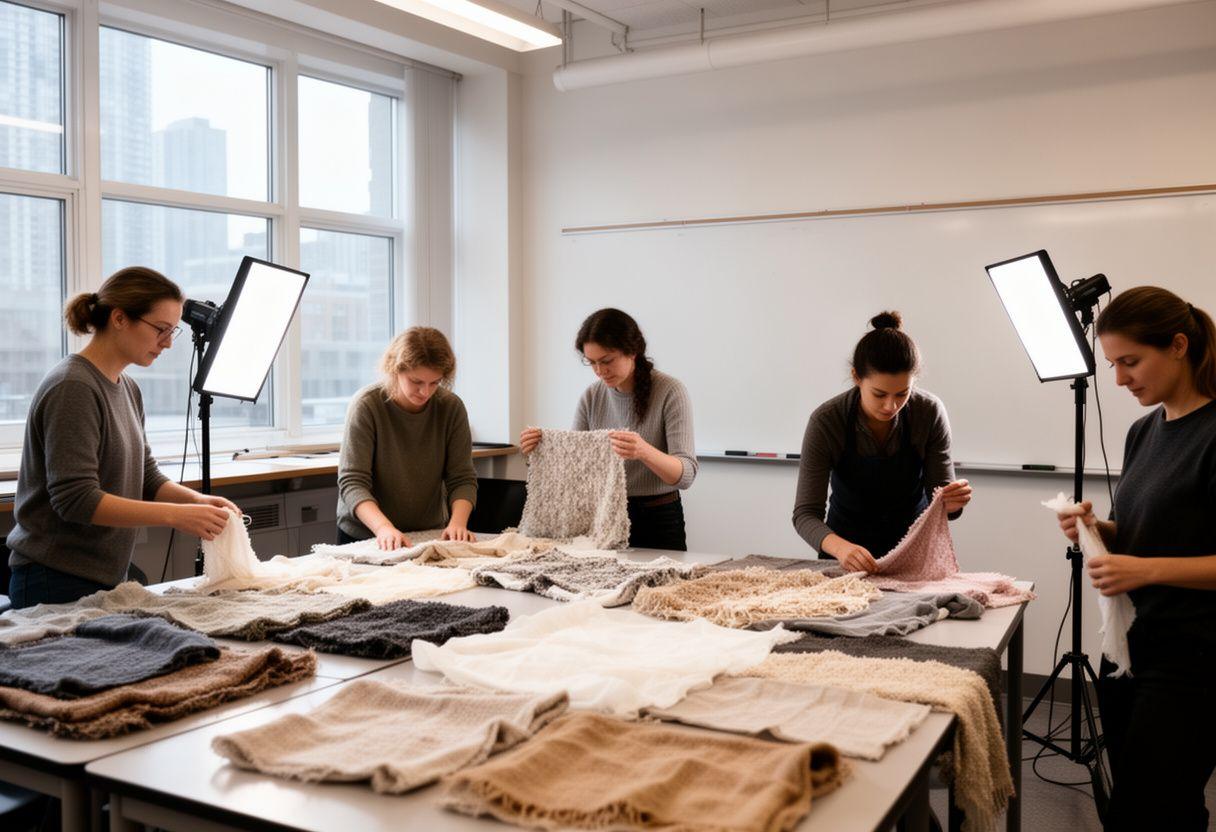
Photography educators arranging textured fabric samples and studio lights in a bright Toronto classroom
Meet Our Photography Educators

Three voices, one clear standard.

Each tutor brings a different angle to textile art photography. Studio lighting, editorial rhythm, archival precision. Which style fits your next series?

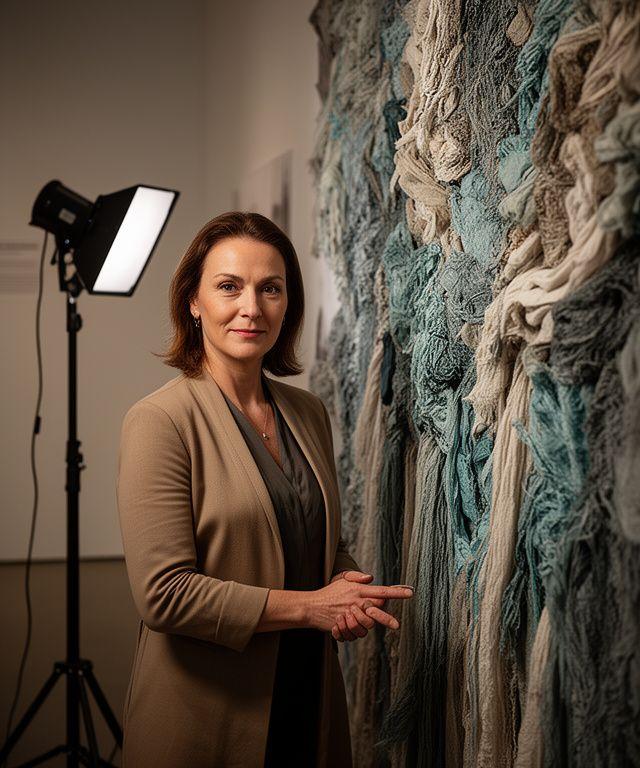
Textile artist and commercial photographer demonstrating controlled lighting beside a detailed fabric installation
Lead Instructor

Jane Doe

Jane is a textile artist and commercial photographer with 15 years' experience in museum documentation and fashion editorial work. She teaches students how to protect colour, shape and stitch detail without flattening the cloth.

Her sessions move quickly. One minute you're balancing diffused light over silk, the next you're comparing crop choices for a catalogue spread. Want a portfolio that feels finished, not just technically correct?

Museum documentation Editorial storytelling Colour management
View Jane's portfolio
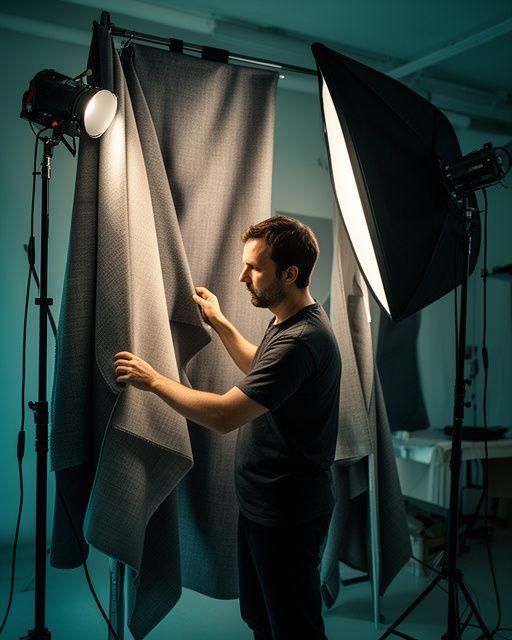
Studio lighting expert adjusting softboxes around folded textiles in a teaching studio
Co-Instructor

John Smith

John has taught at Toronto School of Art and works with galleries to photograph textiles with exacting, repeatable lighting. He loves the technical side. Properly so.

See John's lighting studies
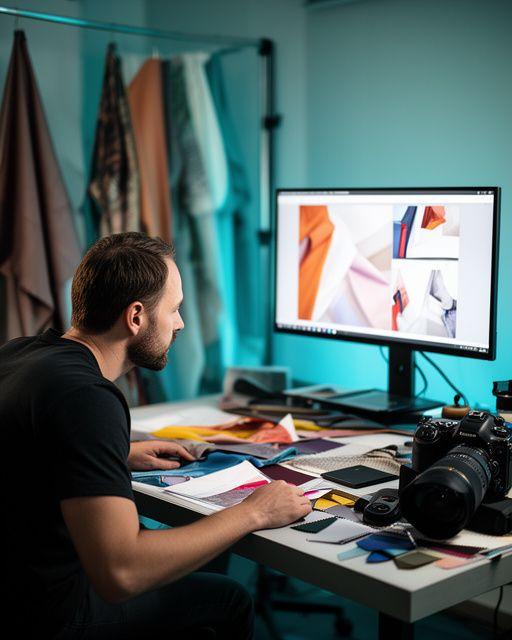
Fashion photographer reviewing fabric campaign images on a monitor in a Toronto studio
Guest Instructor

Sarah Lee

Sarah specialises in fabric campaigns for Canadian designers. She shows how to keep images tactile, polished and commercially useful, even under a fast-moving brief.

Browse Sarah's campaign work
Our Teaching Philosophy

Technique matters. So does confidence.

We start with shooting, not slides. Small decisions make the biggest difference when you're photographing weave, sheen and shadow, so every class is built around practical repetition and honest critique.

Hands-on learning from the first minute

You pick up your camera immediately. Why wait when the set is ready?

Small groups, maximum 8 students

That leaves room for one-to-one feedback and thoughtful critique.

Artistic expression with technical mastery

We respect the craft, but we don't let it get stiff.

Portfolio-ready outcomes

Students leave with a coherent series of images, not a folder of experiments. That shift is the whole point, isn't it?

Feedback that lands

We keep critique direct and useful, so you know exactly what to adjust before the next frame.

What this feels like in practice

A workshop that behaves like a working studio.

There’s a rhythm to it: lighting setup, test frames, feedback, refinement. Then the final pass. It’s steady, focused and surprisingly energising.

Guest Artists & Speakers

Fresh perspectives, carefully chosen.

Guest sessions appear in select advanced courses and don't carry an extra fee. Nice detail, right?

Past guest

Maria Chen

Maria, a renowned textile artist, demonstrated how she photographs large-scale installations without losing the scale and edge of the work. The discussion was lively. A little technical, a little poetic.

Upcoming session

Alex Kim

Alex Kim, creative director of Woven Magazine, will lead a session on storytelling through fabric imagery. How do you make a textile image linger? He’ll show the sequencing.

Included access

No extra charge

Guest artists are included in select advanced courses at no extra cost, because exposure to working practitioners should feel generous, not gated.

A quick student note

Why do people stay for the critique?

"The feedback was sharp, kind and immediately usable. I left with clearer lighting choices and a stronger sequence for my textile portfolio."

Ready to meet the team in person?

Come for the instruction. Stay for the way the whole room sharpens your eye. That’s the real benefit of learning in a small, studio-led group.