A practical beginning
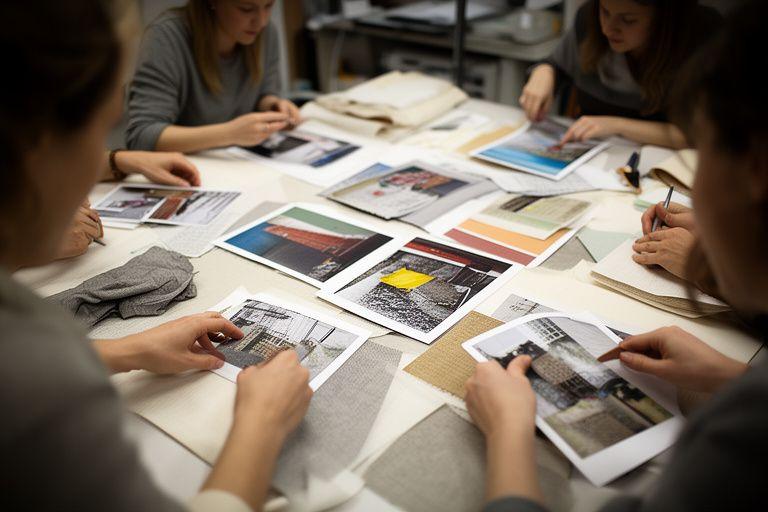
The first classes were simple, hands-on, and full of trial shots. We kept asking one question: what helps a textile hold its texture on screen?
About Loom Lens
We teach makers to photograph cloth with confidence, care, and a sharper eye for detail. Why does that matter? Because a woven surface can lose its character in a careless frame.
How Loom Lens Began
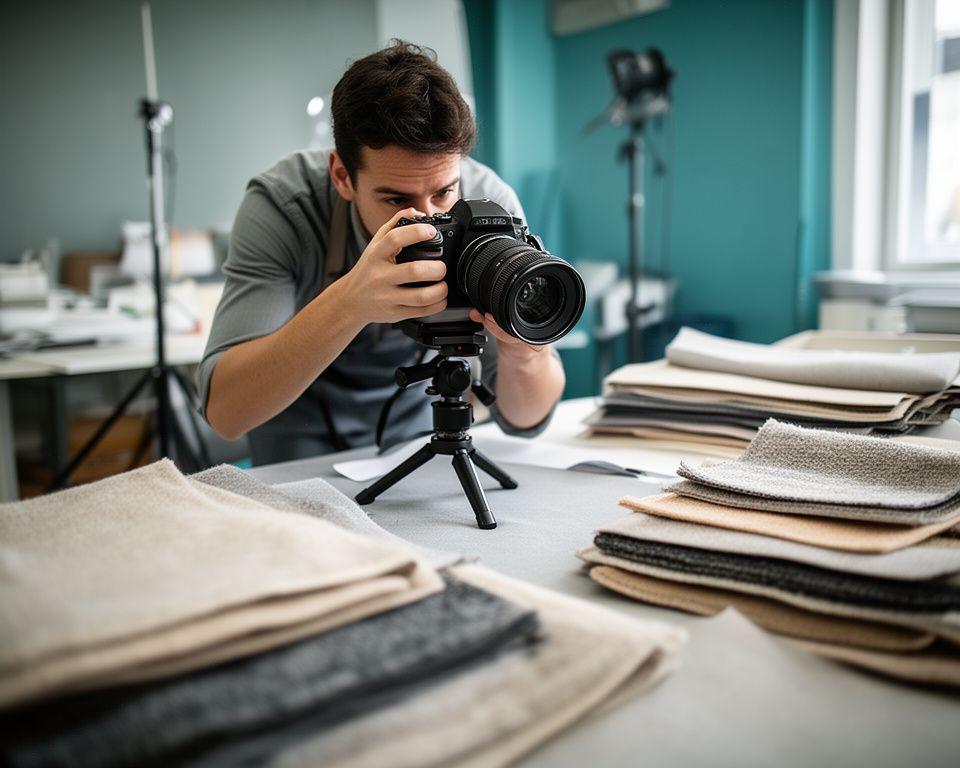
Loom Lens was founded in 2018 by a textile artist who kept hitting the same wall: her work looked alive in person, yet flat and muddy in exhibition photos. Sound familiar?
She started running small workshops in a Toronto studio, showing other artists how light, lens choice, and composition could change everything. Word spread quickly through the textile community, and the sessions grew because the results were immediate. People left with sharper files, stronger portfolios, and fewer print returns.
Today, we teach across Canada and online, but the goal hasn’t shifted. We want artists and makers to document their work with confidence, honesty, and a bit of artistry.
The first classes were simple, hands-on, and full of trial shots. We kept asking one question: what helps a textile hold its texture on screen?
The studio grew from neighbourhood referrals, then alumni referrals, then more. The pace was steady, which suited the work. Careful, not rushed.
Now our lessons reach students in city studios, home offices, and makers’ workshops. Same craft, different room. The method still travels well.
Empower artists and makers to document their work with confidence and artistry. That’s the brief, and we treat it seriously.
What Sets Us Apart
Camera settings matter, of course. But can you read a weave under soft light? Can you protect colour accuracy when a surface has sheen, pile, and shadow all at once?
We use pieces from local artists, not generic swatches.
We don’t just explain aperture and shutter speed. We show why a quilt, print, or woven panel needs a different visual approach from a product shot.
Our editing workflow protects weave detail, keeps colour honest, and preserves surface nuance. That last part matters more than people expect, doesn’t it?
Alumni stay connected through ongoing feedback and community sessions. Progress gets easier when you’re not left on your own after the workshop ends.
Every exercise is grounded in exhibition, archive, or online sales use cases. It’s the real work. The photographs need to earn their keep.
Course focus
Lighting, composition, texture control
Our Toronto Studio
You’ll find us at 382 Empress Avenue, Toronto, Ontario M2N 3L4. The studio is easy to reach by TTC, and free parking is available, which makes carrying equipment a little less painful. Convenient? Absolutely.
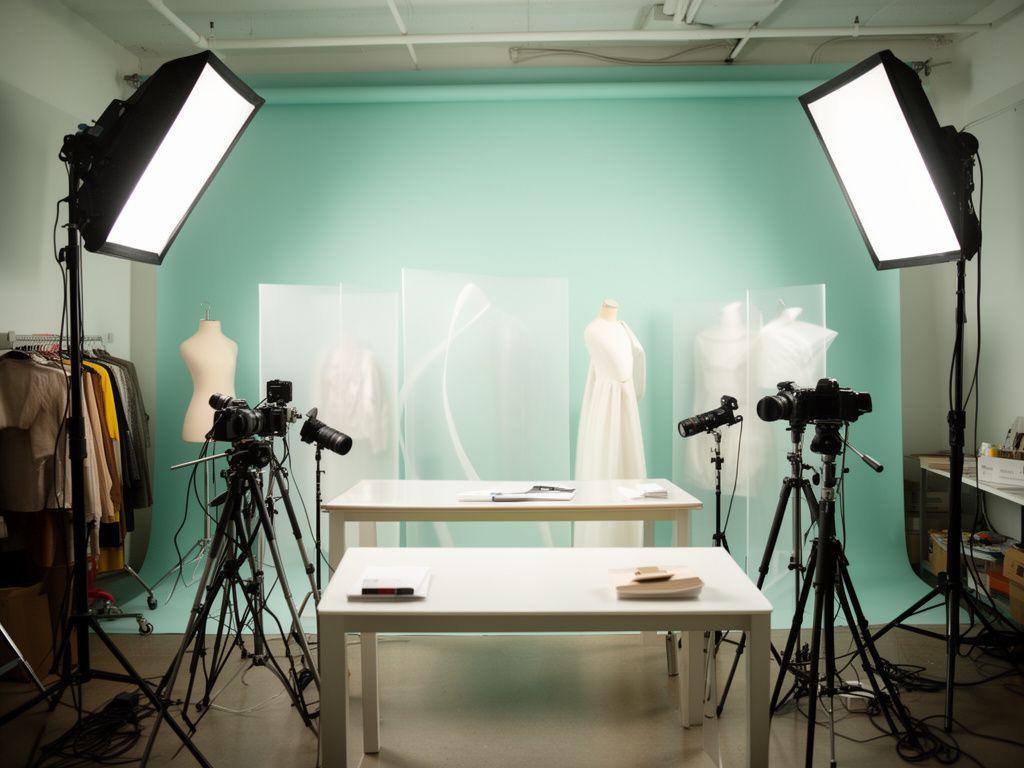
Ideal for judging texture, reflection, and colour response in real time.
Used for close detail work, surface studies, and repeatable shooting setups.
A relaxed room helps people experiment longer. That’s when the best frames usually happen.
Address
382 Empress Avenue, Toronto, Ontario M2N 3L4
Plan your visit
Arrive a few minutes early, bring your camera, and leave with clearer images than you expected. Need directions? We’re happy to help before your first class.
Student voices
My fabric samples finally looked like fabric, not flat colour blocks. Why did I wait so long?
Kassondra M.
The lighting session changed everything for my archive work. I left with a process I can repeat.
Sayoko Chevolleau, textile conservator
We chose Loom Lens because the teaching is precise, calm, and built around real studio problems.
Anusheh Mandelman
If your work deserves better photographs, start here. The next workshop might be the one that changes how people see your textiles.
Reserve your place